
Adolf Hitler Uunona is a Namibian regional politician whose name has repeatedly drawn global attention, but the story is not about Nazi politics. It is about a local councillor in northern Namibia, a country shaped by German colonial history, and the way one controversial name can overshadow an ordinary democratic election.
Uunona, a member of Swapo, retained his seat in the Ompundja constituency in the Oshana Region after years of local political work. He has repeatedly rejected any association with Adolf Hitler, Nazi ideology, antisemitism, or the crimes of the Third Reich. In Namibia, the political meaning of his career is local; abroad, the first thing many readers notice is the name.
Who Is Adolf Hitler Uunona?
Adolf Hitler Uunona is a Namibian politician who has served as a regional councillor for Ompundja, a small constituency in northern Namibia. He is linked to Swapo, the country’s long-dominant political party, which grew out of Namibia’s liberation struggle against South African rule and became the ruling party after independence in 1990.
His political profile is not built around ideology connected to his name. Locally, he is known as a constituency politician rather than as an international figure. The global media interest comes from the collision between his legal name and one of the darkest names in modern history.
That distinction matters. Outside Namibia, the name “Adolf Hitler” immediately evokes Nazi Germany, the Second World War, the Holocaust, racial ideology and dictatorship. Inside his constituency, Uunona’s public identity has been tied more closely to local service, party politics and community recognition.
Why His Name Became International News
The story became widely discussed because election reports produced a headline that looked almost impossible: a politician named Adolf Hitler had won an election in Africa. For readers encountering the story quickly, it sounded like a hoax, satire or misinformation. It was not.
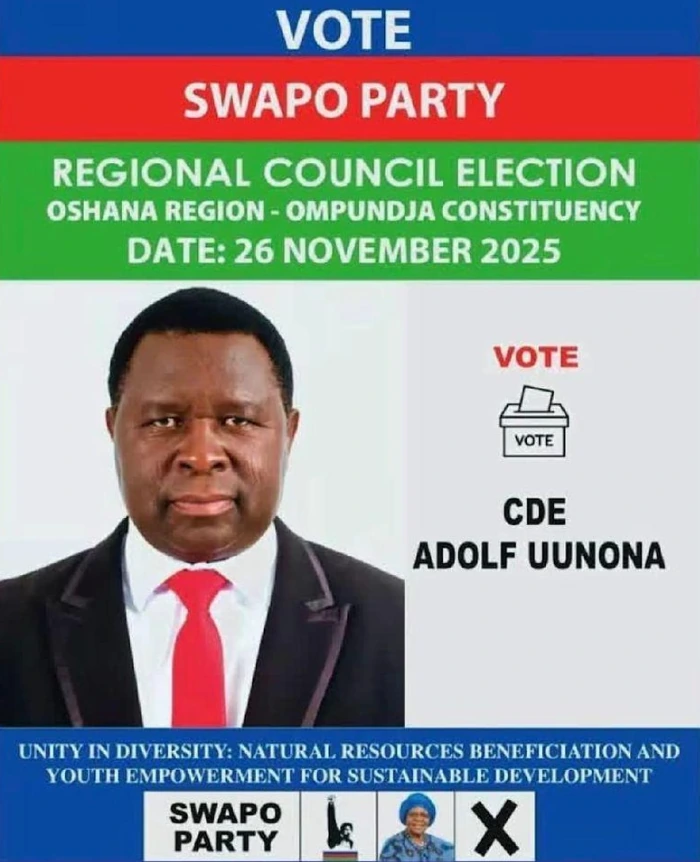
The unusual name created a viral news cycle because it combined three elements: a historically loaded name, a real democratic election and a country whose colonial past helps explain why German names still appear there. Without that context, the story can look absurd. With it, the picture becomes more complicated.
Uunona has said that his father likely did not understand the full historical weight of the name when he gave it to him. He has also explained that as a child he considered the name normal and only later understood how people elsewhere would react to it.
This is the key point: the name is not a political slogan. It is an inherited personal name that became internationally controversial because of global historical memory.
Namibia’s German Colonial Background
Namibia was once a German colony, known as German South West Africa. German colonial rule left marks on the country’s place names, surnames, architecture, institutions and cultural memory. German influence did not disappear after colonial rule ended; some names and traces remained in everyday life.
That background helps explain why German-sounding names can still exist in Namibia without carrying the same immediate meaning they would carry in Europe. This does not erase the horror attached to the name Hitler. It does explain why a family in Namibia might have used a Germanic name without treating it as an ideological declaration.
Namibia’s history also includes the trauma of colonial violence and later South African control. The country gained independence in 1990 after a long liberation struggle. Swapo’s identity is rooted in that anti-colonial and anti-apartheid history, which makes the idea of Uunona being connected to Nazi ideology especially misleading.
What Uunona Says About the Name
Uunona has repeatedly distanced himself from Adolf Hitler and from Nazi ideology. His position is straightforward: he did not choose the name, he does not share the dictator’s beliefs, and he does not want to be judged by an association created before he understood its meaning.
In public life, he has often preferred to be known simply as Adolf Uunona. That shorter version reduces the immediate shock and reflects how he is understood locally. Reports around the latest election also indicated that he had moved away from using “Hitler” in official identity terms, reinforcing his effort to separate his public name from the historical figure.
There is a practical side to this. Changing a name officially can involve documents, records and administrative work. For someone already known in local politics, the issue is not only personal but bureaucratic. Still, the wider attention shows why the name cannot be treated as a minor detail when it enters international coverage.
Why Swapo Matters in the Story
Swapo is central to understanding the political context. The party is not a far-right organisation. It is historically associated with Namibia’s liberation movement and has governed the country since independence. Its ideological background is anti-colonial, nationalist and broadly centre-left, though its modern politics include the compromises typical of long-ruling parties.
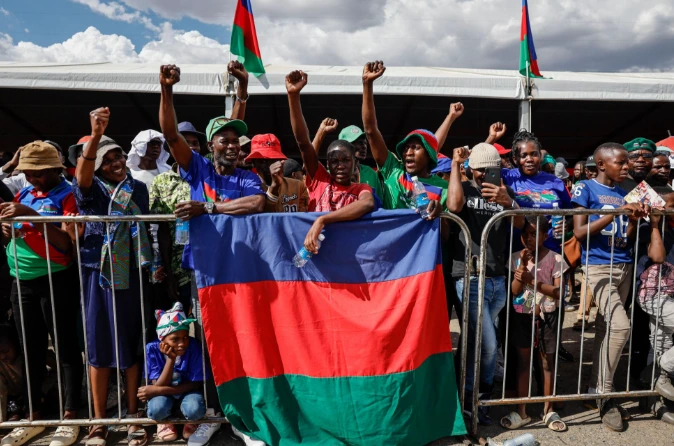
That matters because readers outside Namibia may see the name first and assume a political connection that is not there. Uunona’s party background points in the opposite direction. His career sits within Namibia’s post-independence political system, not within extremist European nostalgia.
The election result also says something about local trust. Voters in Ompundja were not choosing a symbolic global figure; they were choosing a regional councillor. Constituency politics often depends on familiarity, party loyalty, service delivery, personal relationships and local reputation. The viral headline hides that ordinary political reality.
The Difference Between Local Politics and Global Headlines
The Uunona story is a useful example of how global media can flatten local context. A name that shocks international readers becomes the entire frame, while the constituency, voters and policy background move to the margins.
That does not mean the name is irrelevant. It is impossible to ignore the moral and historical weight of Adolf Hitler’s name. But a responsible reading separates three things: the historical dictator, the Namibian councillor, and the colonial history that made such a name possible in a different cultural setting.
For local voters, the question was not whether they approved of a name associated with Nazi Germany. The practical question was whether Uunona should continue representing the area. That is why he could remain politically viable despite global attention.
What the Story Reveals About Names and History
Names carry different meanings depending on place, history and memory. In Europe, naming a child Adolf Hitler would usually be interpreted as provocation, extremist sympathy or deliberate shock. In Namibia, Uunona’s explanation points to a different path: inherited colonial-era naming habits, limited awareness at the time, and later discomfort once the global meaning became clear.
The story also shows how colonial histories leave unexpected traces. A name can survive long after the political system that introduced it has disappeared. Those traces can become painful when they meet global memory of genocide, fascism and war.
There is also a media lesson here. Viral stories often travel faster than context. A headline can make Uunona look like a symbol before readers learn that he has rejected the ideology associated with the name. Good coverage should make that distinction early.
Why the Election Result Drew So Much Attention
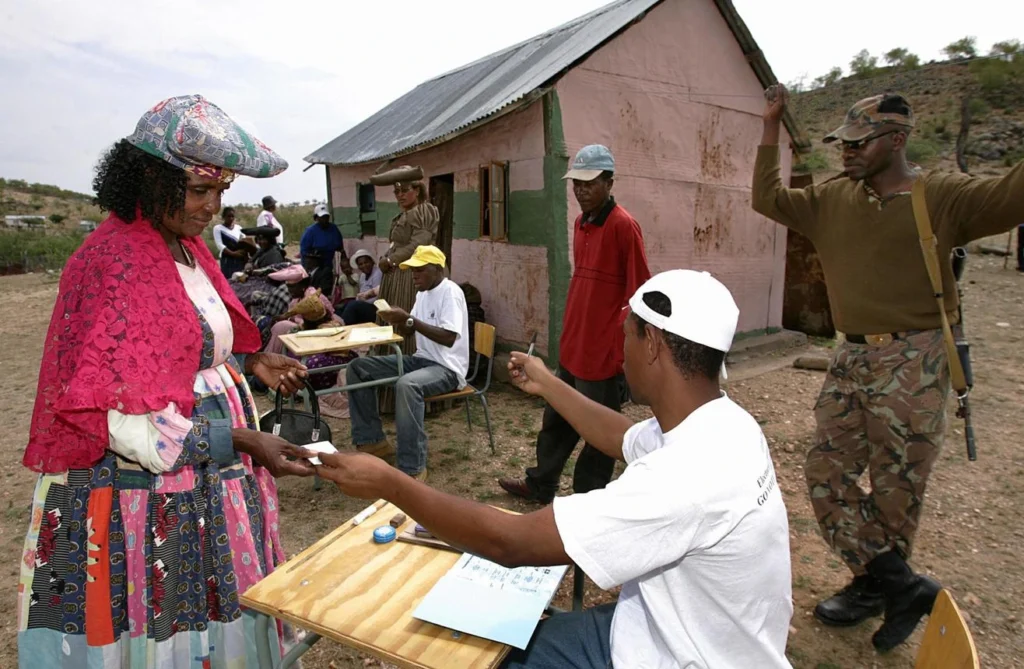
Uunona’s reelection drew attention not because Namibia’s regional politics suddenly became a global issue, but because the result created a contradiction that was easy to share: a man named Adolf Hitler winning democratic office in a former German colony.
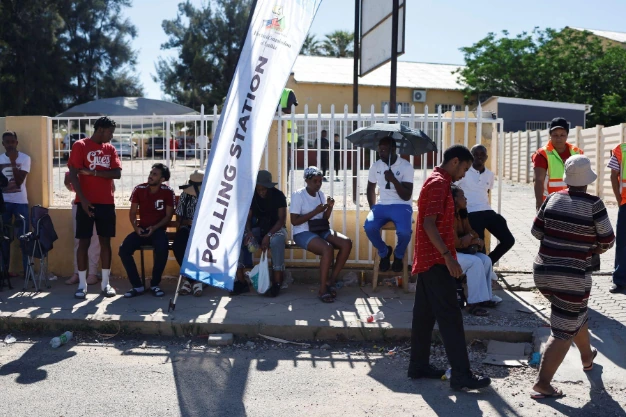
The deeper story is less sensational. It involves local elections, party structures, community recognition and a politician trying to separate his identity from a name he did not choose. It also touches on the way African political stories are sometimes reduced to odd headlines for foreign audiences.
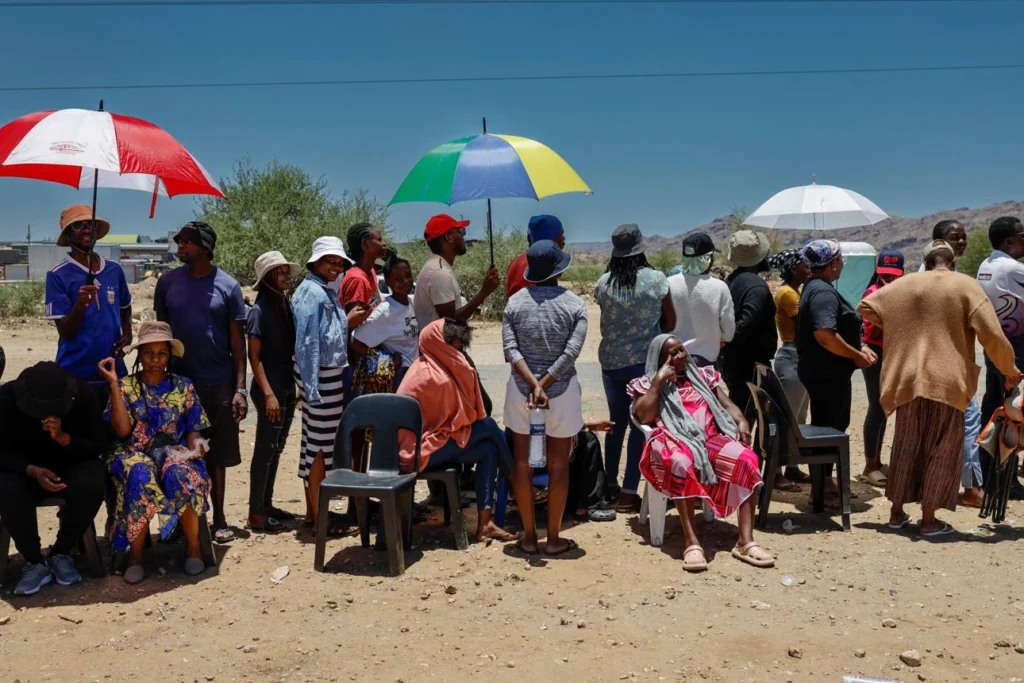
That reduction is risky. It can make a real constituency look like a curiosity and turn voters into background characters. Ompundja is not a punchline. It is a local political community that made a local electoral choice.
The Practical Takeaway
The story of Adolf Hitler Uunona should be read with context, not shock alone. He is a Namibian councillor whose name carries an unavoidable global burden, but his political record and public statements do not point to Nazi sympathy. The controversy comes from the name, not from a documented extremist platform.
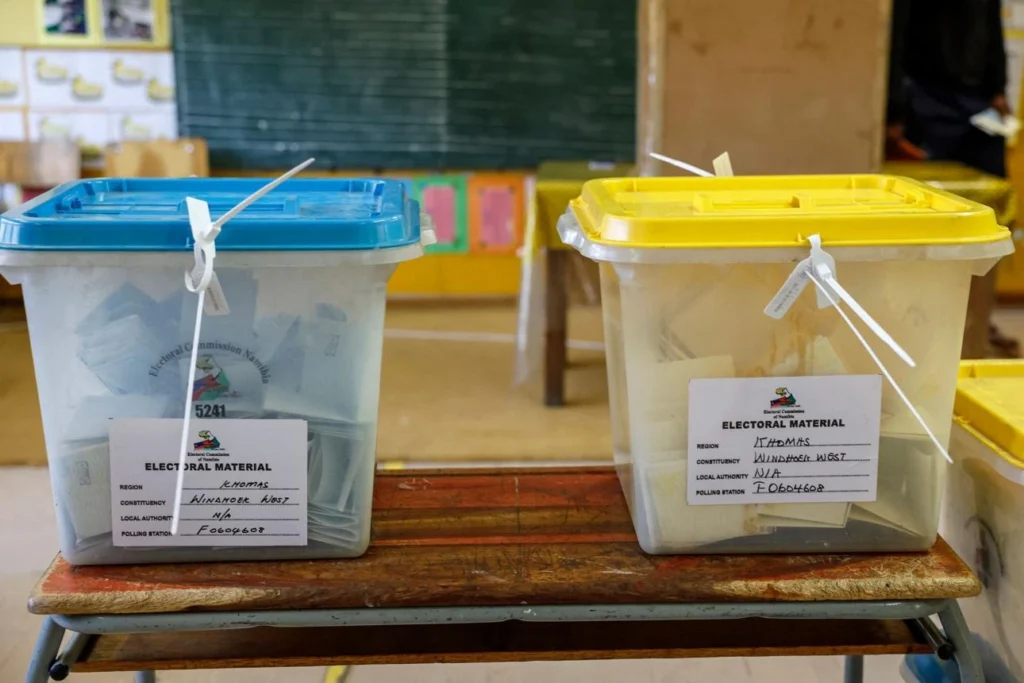
For readers, the important distinction is simple: the name explains the attention, but it does not explain the politician. To understand the story properly, it has to be placed inside Namibia’s colonial history, Swapo’s liberation-party background and the ordinary mechanics of local democratic politics.

That is where the headline becomes more than a strange coincidence. It becomes a reminder that names can outlive the systems that produced them, and that history often returns in places where it is least expected.