
The loadshedding schedule Tembisa helps residents check when their area may be affected by planned power cuts. The schedule works through area groups marked A to I, fixed time slots, weekly Schedule A and Schedule B patterns, and an abnormal monthly table for days 1 to 31.
The most important step is to find your area group first. After that, match the group letter to the correct day, week and time slot. If your area appears in more than one group, check the exact extension, section or local feeder before relying on the outage window.
Current Validity of the Tembisa Schedule
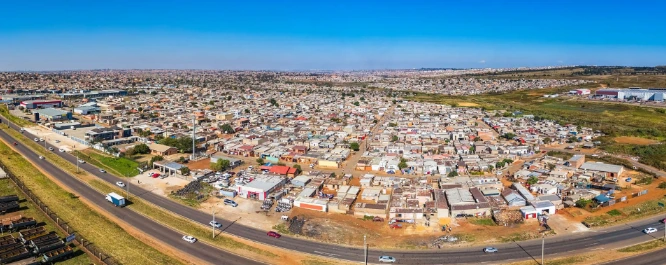
The provided schedule shows the Tembisa load shedding structure, area groups, normal weekly rotation and abnormal A+B monthly rotation. However, the visible document does not show a clear month or year of validity. That means it should be used as a practical guide to understand the group system and time-slot logic, not as a guaranteed live notice for a specific current month.
Before planning around any outage, residents should confirm the active load shedding stage and check whether the municipality has issued a newer notice. This matters for homes, shops, clinics, remote workers, schools, refrigeration, alarm systems and anyone relying on electric gates or medical equipment.
How the Tembisa Loadshedding Schedule Works
The schedule divides Tembisa into lettered groups. Each group represents a set of suburbs, extensions or supply sections. When your group letter appears in a time slot, your area may be affected during that period.
The main time slots shown in the schedule are:
| Time slot | Period |
|---|---|
| 08:00 – 10:30 | Morning |
| 10:00 – 12:30 | Late morning |
| 12:00 – 14:30 | Midday |
| 14:00 – 16:30 | Afternoon |
| 18:00 – 20:30 | Evening |
| 20:00 – 22:30 | Night |
Each slot is two and a half hours long. The schedule is not arranged by suburb alone, so searching only for “Tembisa” is not enough. You need your group letter.
Schedule A and Schedule B
The normal schedule is split into Schedule A and Schedule B.
Schedule B is shown for Monday, Wednesday and Friday. Schedule A is shown for Tuesday, Thursday and Saturday. Each schedule is then split into Week 1, Week 2, Week 3, Week 4 and Week 5.
This is why a group can move between different times during the month. Group A, for example, may not always be affected at the same hour. The week and day pattern changes the outage window.
A simple reading method works best:
- Find your area in the group list.
- Write down the group letter.
- Check whether the day falls under Schedule A or Schedule B.
- Select the correct week of the month.
- Match your group letter to the time slot.
If the normal schedule does not match current municipal notices, use the abnormal A+B table below.
Full Tembisa Area Groups
| Group | Areas shown in the Tembisa schedule |
| A | Emangweni, Ext 10, Mqantsa, Ext 8, Ecaleni, Xubeni |
| B | Isiziba, Emoyeni, Emfilweni, Emangweni, Isekelo, Endulweni, Elindinga, Isithame, Igqagqa, Isivana, Ibazelo, Ibaxa, Ethafeni, Inxiweni |
| C | Maqantsa, Oakmore, Xubeni, Ecaleni, Clay Oos, Clay Wes |
| D | Ethafeni, Jiyane, Inxiweni, Isipitweni, Ehlanzeni, Vusimusi, Welomlambo, Isivana, BA 23 to 36 |
| E | Isangweni, Lekaneng & Ext, Mpho, Seotloana, Moteong, Teanong, Lifateng, Motsu, Titeng, Ishangweni, Ishangweni Ext, Umtambeka, Umtambeka Ext, Umfuyaneng |
| F | Umfuyaneng, Umtambeka, Entonalanga, Ext 11, Umlonjaneng, Endayani, Katlaping, Moyedi, Maokeng, Maokeng Ext, Tlamatlama, Tsepo, Kopanong, Temong, Tsenelong, Leboeng & Ext |
| G | Ext 1, Ext 4, Winnie Mandela, Hospital Hill, Ext 6, Ext 9, Ext 7 |
| H | Makulong, Setokga, Moriteng, Sedibeng, Ext 4, Mashimong, Sethokga |
| I | Sethokga, Moriteng, Sedibeng |
Some names appear in more than one group. This usually means that the wider area is split by extension, section or electricity feeder. In that case, the exact part of the suburb matters more than the general area name.
How to Find Your Group
Start with the place name, then look for the exact section. If the same name appears under more than one letter, do not guess. Check the extension or local municipal grouping.
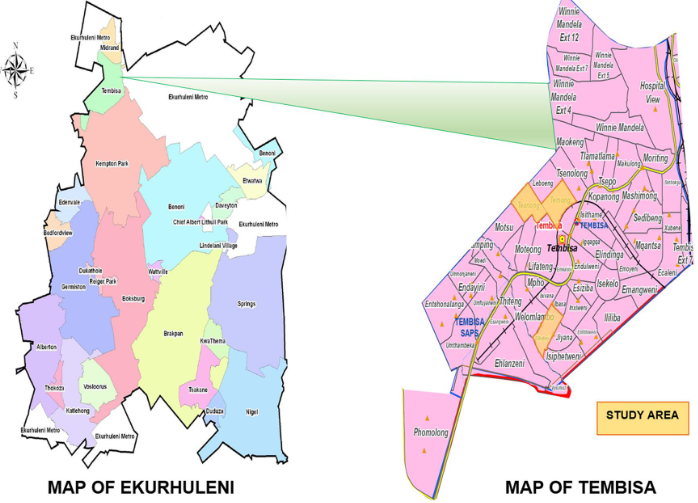
For example, Emangweni appears in Group A and also in Group B. A resident in Emangweni should not rely on the suburb name alone. Ext 10 is listed under Group A, while other Emangweni entries appear under Group B.
Moriteng appears under Group H and Group I. That means residents in Moriteng should confirm the correct feeder or section before using the table.

Winnie Mandela is easier to identify because it is listed under Group G, together with Ext 1, Ext 4, Hospital Hill, Ext 6, Ext 9 and Ext 7.
Abnormal Schedule A+B: Full Monthly Table
The abnormal A+B table is useful when the weekly Schedule A and Schedule B layout is not enough. It lets residents check a specific day of the month from 1 to 31.
| Time | 1 | 2 | 3 | 4 | 5 | 6 | 7 | 8 | 9 | 10 | 11 | 12 | 13 | 14 | 15 | 16 |
| 08:00 – 10:30 | AB | DE | GH | AB | DE | HA | GH | AB | DE | GH | AB | DE | DE | GH | AB | DE |
| 10:00 – 12:30 | CD | FG | IA | CD | FG | AC | IA | CD | FG | IA | CD | FG | FG | IA | CD | FG |
| 12:00 – 14:30 | EF | HI | BC | EF | HI | CE | BC | EF | HI | BC | EF | HI | HI | BC | EF | HI |
| 14:00 – 16:30 | GH | AB | DE | GH | AB | EG | DE | GH | AB | DE | GH | AB | AB | DE | GH | AB |
| 18:00 – 20:30 | IA | CD | FG | IA | CD | GI | FG | IA | CD | FG | IA | CD | CD | FG | IA | CD |
| 20:00 – 22:30 | BC | EF | HI | BC | EF | IB | HI | BC | EF | HI | BC | EF | EF | HI | BC | EF |
| Time | 17 | 18 | 19 | 20 | 21 | 22 | 23 | 24 | 25 | 26 | 27 | 28 | 29 | 30 | 31 |
| 08:00 – 10:30 | AB | DE | GH | AB | DE | HA | GH | AB | DE | GH | AB | DE | DE | GH | AB |
| 10:00 – 12:30 | CD | FG | IA | CD | FG | AC | IA | CD | FG | IA | CD | FG | FG | IA | CD |
| 12:00 – 14:30 | EF | HI | BC | EF | HI | CE | BC | EF | HI | BC | EF | HI | HI | BC | EF |
| 14:00 – 16:30 | GH | AB | DE | GH | AB | EG | DE | GH | AB | DE | GH | AB | AB | DE | GH |
| 18:00 – 20:30 | IA | CD | FG | IA | CD | GI | FG | IA | CD | FG | IA | CD | CD | FG | IA |
| 20:00 – 22:30 | BC | EF | HI | BC | EF | IB | HI | BC | EF | HI | BC | EF | EF | HI | BC |
To use this table, find the day of the month first. Then move down to the time slot and check whether your group letter appears in that cell. If your group is listed, prepare for possible load shedding in that period.
Why Some Areas Are Hard to Match
Tembisa’s schedule can be confusing because electricity supply areas do not always follow the way people describe neighbourhoods. A resident may say they live in Emangweni, Moriteng or Sethokga, but the electricity network may divide that place into more than one group.
This is why two nearby streets can sometimes have different outage times. They may be connected to different feeders. The schedule is built around the electrical network, not only around suburb names.
The safest rule is: never rely only on the suburb name if it appears twice. Use the extension, section or municipal confirmation.
Energy-Saving Advice From the Schedule
The document also includes advice from Ekurhuleni asking residents and businesses to reduce electricity demand. The message is direct: load shedding is damaging, and customers are expected to help by reducing unnecessary usage.
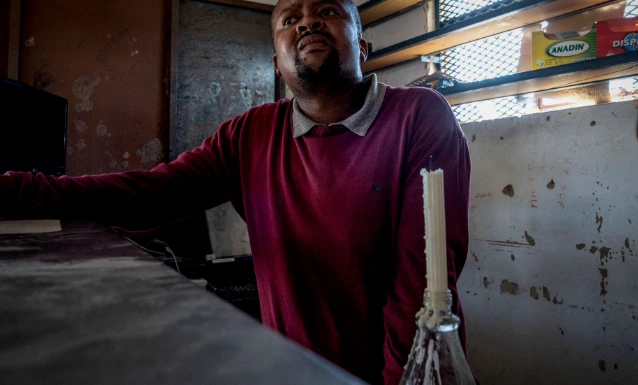
For households, the schedule recommends switching off unnecessary equipment and lights, using energy-efficient lighting, installing a solar geyser where possible and reducing pool pump operating time.
For businesses, the main focus is lighting and air conditioning. Shops, offices and commercial buildings are encouraged to switch off unused lighting sections, avoid leaving building lights on overnight and use timers for showroom or marketing lights. The schedule also warns that inefficient lighting can create extra heat, which makes air conditioning work harder.
Practical Planning Tips for Tembisa Residents
Once you know your group, save it on your phone or write it down. The schedule is much easier to use when you do not need to search for your area every time.
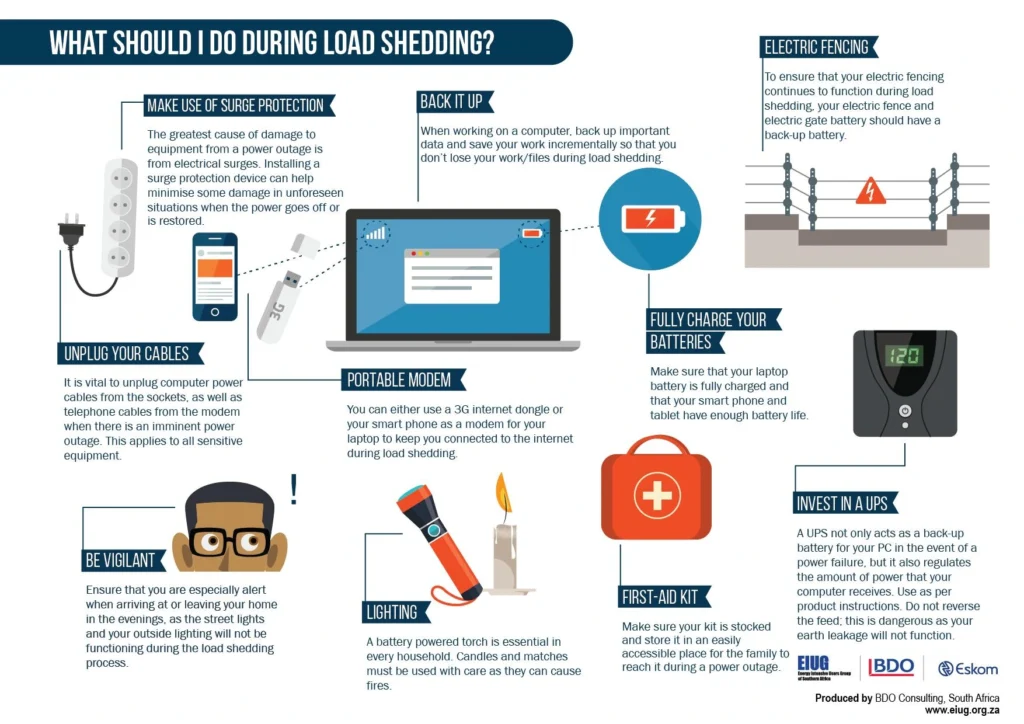
Before an expected outage, charge phones, laptops, power banks and rechargeable lights. Avoid opening fridges and freezers during the outage. If you work from home, check whether the outage overlaps with meetings or deadlines.
Businesses should plan card machines, Wi-Fi, refrigeration and security systems around the expected window. If a shop depends on lighting or cold storage, the evening and afternoon slots need special preparation.
Sensitive appliances should be switched off before power returns. This can reduce the risk of damage when electricity comes back after an outage.
What This Schedule Can and Cannot Tell You
The loadshedding schedule Tembisa explains planned outage windows, but it cannot explain every power interruption. If your power goes off outside the listed time, it may be caused by a local fault, cable issue, emergency repair or unplanned supply problem.
The schedule also does not confirm whether load shedding is active on a given day. It only shows when your group may be affected if the relevant stage and municipal schedule are active.
For reliable planning, use three checks together: your group letter, the day/time table and the current load shedding status.
Final Check Before You Use the Schedule
The Tembisa load shedding schedule becomes simple when read in the right order: area group first, date second, time slot third. The area list tells you your letter. The normal Schedule A and B tables show the weekly rotation. The abnormal A+B table helps when you need a specific day of the month.
If your area appears in more than one group, confirm the exact section before planning around the slot. If the document has no visible month or year, treat it as a schedule guide and verify the latest active notice before making important plans.